Modular Tent Spaces Design Tips
Introduction – Why Modular Tents Are Perfect for Designers
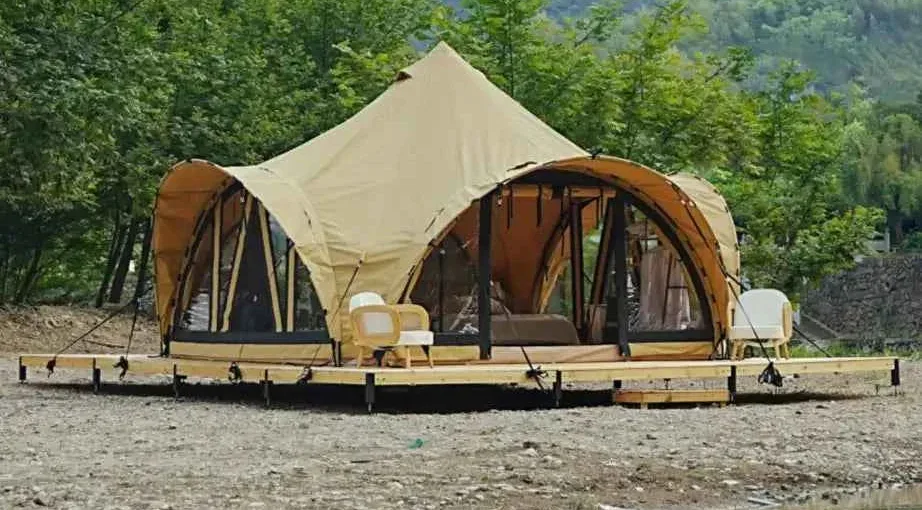
Modular tents are versatile, flexible, and ideal for creating unique outdoor spaces. Designers can adapt layouts to fit terrain, maximize guest experience, and create visually striking environments that blend with nature.
Planning Your Modular Layout
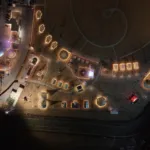
Start by analyzing the site: terrain, slope, sunlight, and existing features. Modular tents allow you to configure clusters, rows, or isolated units, depending on your design goals.
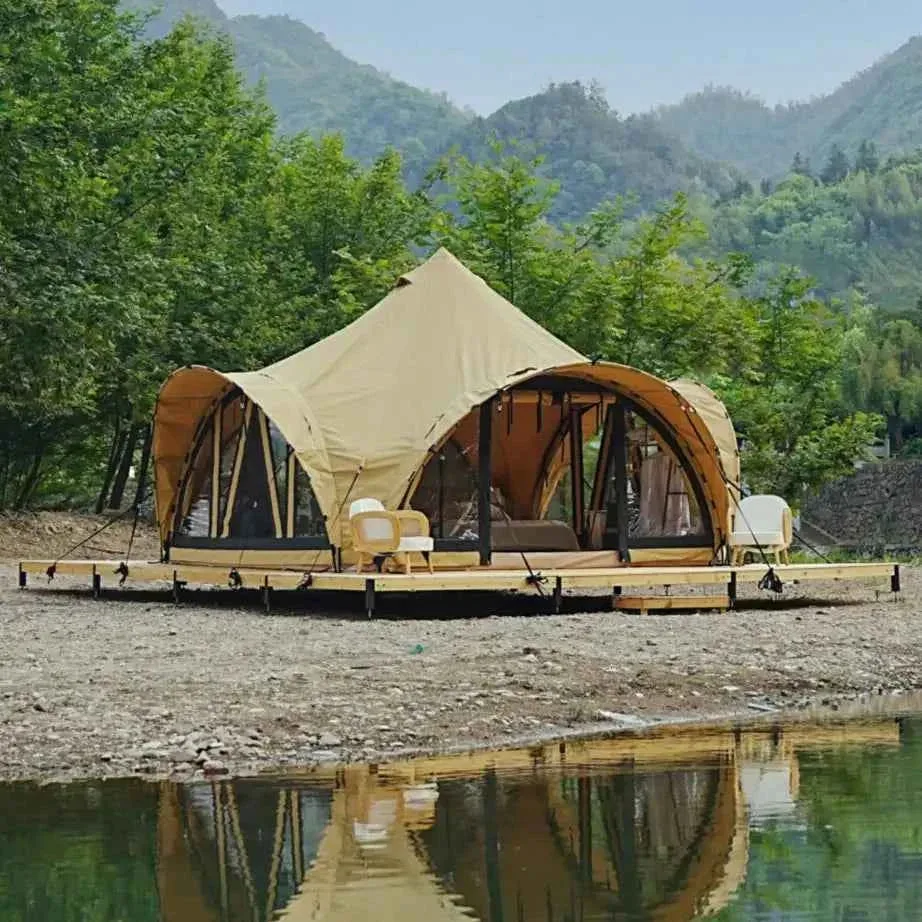
Cluster vs Linear Arrangement
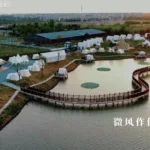
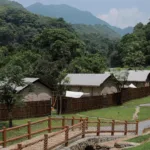
Cluster layouts promote social interaction and shared amenities, while linear arrangements offer privacy and clear circulation paths. Choose based on guest experience priorities.
Accessibility & Flow
Ensure pathways are clear and ADA-friendly. Modular tents can be repositioned to optimize access to dining areas, activity zones, and service points.

Interior Design Considerations
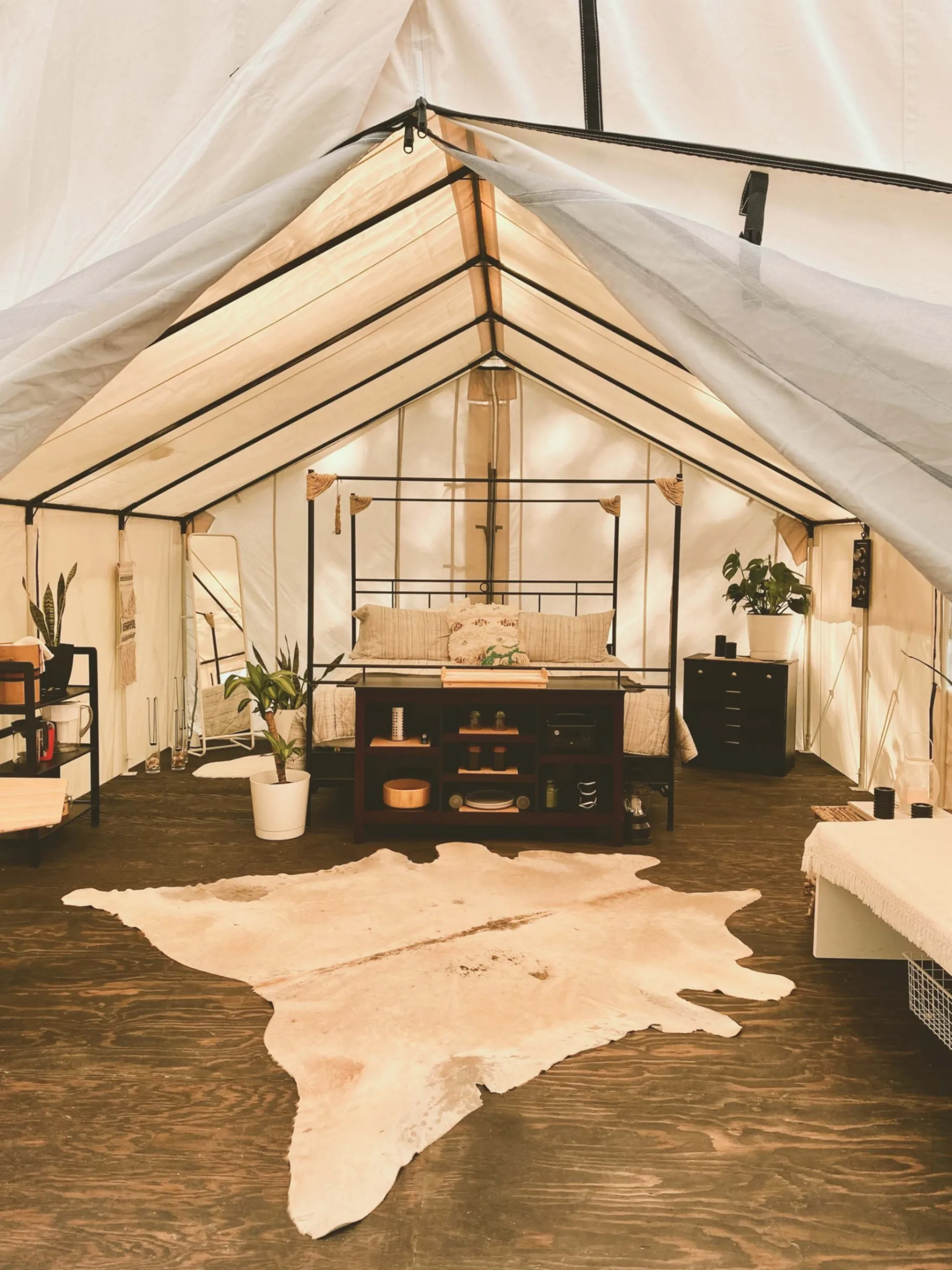
Inside each tent, consider flexible furniture, lighting, and decor that can be easily adapted or moved. Modular tents allow standardized interiors across different layouts, simplifying design and maintenance.
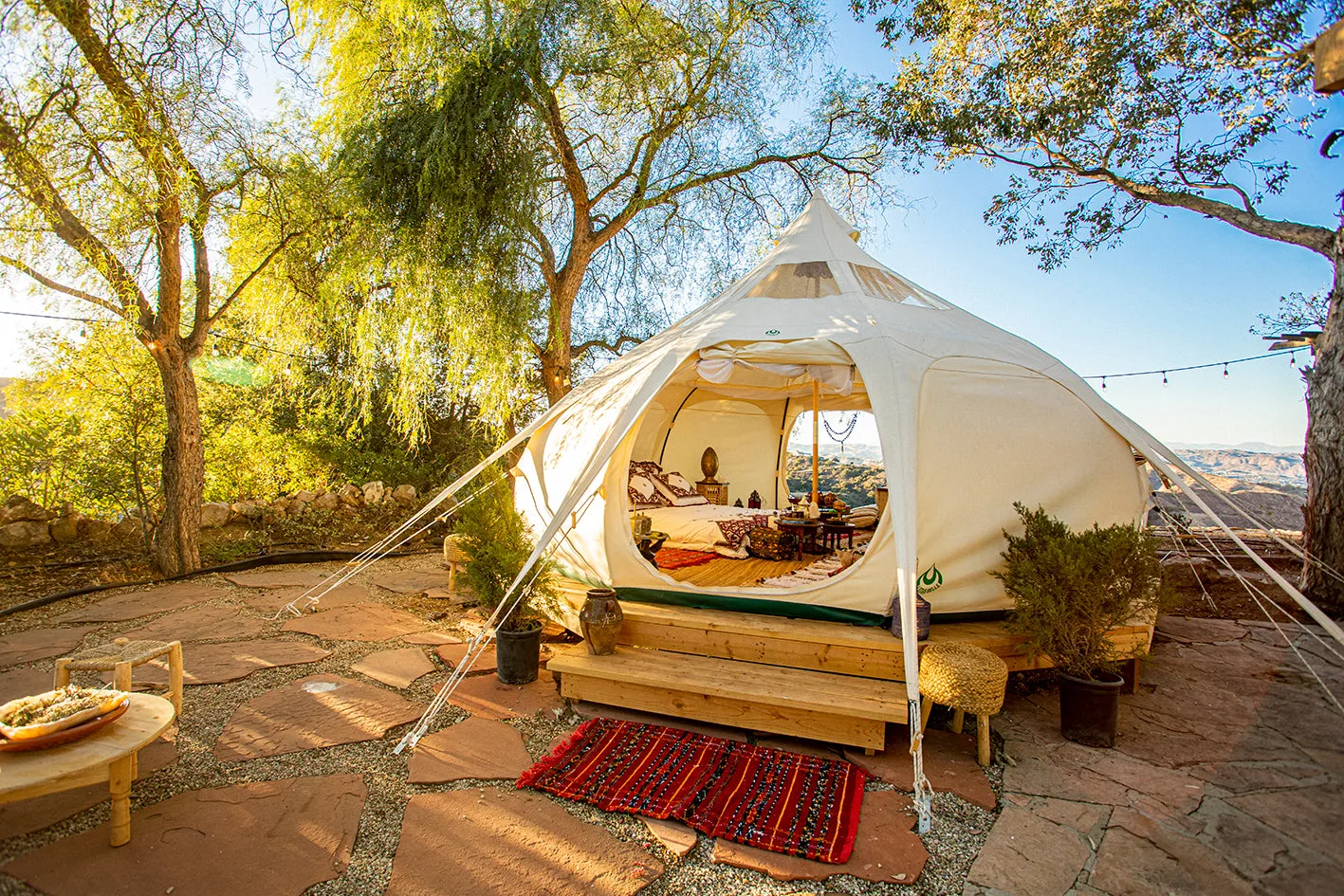
Outdoor Integration
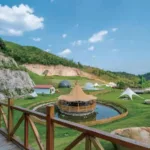
Design tents to interact seamlessly with the landscape. Use terraces, decks, or shared courtyards to connect units, enhance views, and encourage outdoor activity.
Sustainability & Materials
Choose durable, eco-friendly materials for tents and frames. Modular systems reduce construction waste and can be reconfigured over time, making them both environmentally and economically sustainable.
Conclusion
By carefully planning layout, interior, outdoor integration, and materials, designers can use modular tents to create flexible, high-end glamping spaces that impress guests and meet operational needs.